

How the A0 Motorway Is Reshaping Bucharest’s Industrial Property Market
17.09.2026The industrial property market in Bucharest is entering a stage where simply asking “how close is the warehouse to the city?” is no longer enough. For logistics, distribution, e-commerce and manufacturing companies, location decisions increasingly depend on road infrastructure access, actual transit times, transportation costs and connections to Romania’s main transport corridors.
The completion of the southern section of the A0 Bucharest Ring Motorway and the direct connection between the A1 Bucharest–Pitești and A2 Bucharest–Constanța motorways are gradually changing the way industrial locations around the capital can be assessed.
Western Bucharest continues to hold a strong position, supported by direct access to the A1 motorway and years of industrial development. At the same time, southern and eastern Bucharest can now be considered from a different perspective for certain types of operations.
For companies, the key question is no longer simply how far a property is from Bucharest, but how quickly goods can enter and leave the region.
How does the A0 motorway influence industrial properties in Bucharest?
New road infrastructure can change the attractiveness of industrial areas by reducing transit times and improving connections between Romania’s main motorways.
A warehouse or manufacturing facility does not operate in isolation. The efficiency of a location depends on its relationship with:
- the motorway and national road network;
- suppliers;
- customers and markets served;
- truck accessibility;
- workforce availability;
- overall logistics costs.
For logistics operators, the connection between the A1 and A2 motorways through the southern section of the A0 can make it possible to organise routes that avoid significant parts of Bucharest’s urban traffic and the old ring road.
This is particularly relevant for companies distributing goods both towards western Romania and towards Constanța, southern or south-eastern regions of the country.
At the same time, an industrial property located in an area previously regarded as secondary may become more competitive if it provides fast access to an important motorway junction.
However, being close to the A0 does not automatically make an industrial property a good choice. Companies also need to analyse the actual connection between the property and the motorway, the quality of local roads, possible truck restrictions and the real travel time required to reach the main transport routes.
What is the real cost of renting a warehouse in Bucharest?
Monthly rent per square metre is only one component of the total cost of operating a warehouse.
For a company running dozens of trucks every day, even a few additional kilometres per journey can generate operating costs that exceed the difference in rent between two properties.
Travel time, traffic congestion, fuel consumption and delivery predictability can all have a significant impact on overall costs.
For this reason, when assessing a warehouse for rent in Bucharest, the comparison should not be based exclusively on rent.
A more relevant indicator is the total logistics cost of the location.
This may include rent, transportation expenses, fuel consumption, drivers’ time, infrastructure accessibility, workforce-related costs and the overall predictability of operations.
The property’s position in relation to the A0, A1, A2 and A3 motorways, as well as Romania’s main national roads, can directly influence these costs.
The same principle applies to manufacturing. A factory does not simply need a building with the right floor area. It also requires efficient access for incoming materials, good connections with suppliers and the ability to dispatch finished products without recurring transport bottlenecks.
What should companies check before renting an industrial warehouse?
Accessibility is only the first filter when selecting an industrial property.
A warehouse or production facility should be assessed according to the exact operational requirements of the company that will use it.
For warehousing activities, some of the most important criteria include:
- clear height;
- floor load capacity;
- number and type of loading docks;
- truck manoeuvring areas;
- fire prevention and suppression systems;
- temperature requirements;
- subdivision possibilities;
- operating and maintenance costs.
For manufacturing operations, the technical assessment is usually even more detailed.
The installed electrical capacity and the possibility of increasing it can immediately eliminate certain properties from consideration. Depending on the activity, companies may also need to assess gas supply, water access, industrial wastewater discharge, ventilation, floor resistance or the possibility of installing specialised equipment.
A building that appears suitable in terms of size and location may prove unsuitable once its technical specifications are reviewed.
For this reason, the search for an industrial property should begin with a clear definition of the company’s operational requirements, rather than with the longest possible list of available warehouses.
How does workforce accessibility influence warehouse location?
For companies employing large numbers of people, employee accessibility can be almost as important as truck accessibility.
A modern warehouse may be ideally positioned for freight transport, but it can still generate additional costs if employees have difficulty reaching the site or if the company must organise dedicated staff transportation.
The choice between western, northern, eastern and southern Bucharest should therefore also consider the areas from which employees can realistically be recruited.
For certain operations, proximity to towns or communities with an available workforce can represent a significant operational advantage.
Companies are also increasingly looking for industrial properties that include well-designed office space within the warehouse facility.
Logistics, management, quality control and administrative teams often need to work at the same location as the operational activity. The size and quality of the office component should therefore be assessed from the beginning of the property selection process.
Why is warehouse expansion potential important?
Flexibility has become an increasingly important criterion, particularly for companies expecting their operations to grow.
A tenant occupying 3,000 or 5,000 sq m today may require additional space within the next two or three years.
Choosing an industrial or logistics park that provides expansion opportunities can reduce the risk of having to relocate the entire operation.
Expanding within the same building, into an adjacent unit or elsewhere within the same park can provide several advantages, including operational continuity, employee retention, lower relocation costs and less disruption to the company’s logistics network.
How important is energy efficiency in an industrial property?
Operating costs are increasingly important when companies evaluate long-term industrial leases.
Energy-efficient lighting and HVAC systems, photovoltaic panels and other technologies designed to reduce energy consumption can directly influence the total cost of occupying a property.
As a result, two warehouses with similar rental levels do not necessarily generate similar operating costs.
For large industrial spaces in particular, differences in energy consumption and building efficiency can become significant over the duration of a multi-year lease.
What is the best area for a warehouse in Bucharest?
There is no single location that is suitable for every company.
Western Bucharest remains one of the capital’s main industrial areas due to its access to the A1 motorway and its established concentration of logistics and industrial developments.
However, southern, eastern and northern Bucharest should also be assessed according to a company’s transport routes, freight destinations, workforce requirements and technical specifications.
The development of the A0 motorway is contributing to an important change in perspective: Bucharest should no longer be viewed as one single industrial market, but as a collection of submarkets with different operational advantages.
For a company, the most relevant question is not necessarily:
“Where are most warehouses located?”
but rather:
“Which location can best reduce the costs, transport times and operational risks of my business?”
The answer will vary depending on the type of operation.
An e-commerce company may prioritise fast access to Bucharest and efficient last-mile distribution. A logistics operator may focus more heavily on motorway connections and access to national roads. A manufacturing company will also need to consider utilities, electrical capacity and supplier accessibility.
How can Activ Property Services help?
Activ Property Services provides consultancy services for the leasing and acquisition of industrial properties in Bucharest and Romania’s main industrial markets.
The property search process starts with the company’s actual requirements, including floor area, budget, technical specifications, infrastructure, workforce accessibility, location and future expansion plans.
The objective is not to identify the largest possible number of available warehouses, but to select the properties that can efficiently support the company’s operations over the medium and long term.
Frequently Asked Questions About Industrial Properties in Bucharest
What should you consider when looking for a warehouse for rent in Bucharest?
The main criteria include access to the A0, A1, A2 and A3 motorways, transportation times, rent and total logistics costs, technical warehouse specifications, employee accessibility and future expansion possibilities.
Is being close to the A0 motorway enough when choosing a warehouse?
No. Companies should also analyse the actual connection between the property and the motorway, local infrastructure, truck restrictions and real transit times.
What matters more when choosing a warehouse: rent or location?
Both should be analysed together. A property with a lower rent may ultimately generate higher total costs if it involves longer transportation distances, heavy traffic or poor employee accessibility.
Does office space inside an industrial warehouse matter?
Yes. This is particularly important for companies with logistics, management, administrative or quality control teams working at the same location as the operational activity. The office component should be sized according to the company’s actual requirements.
Why is expansion potential important when renting an industrial property?
A property that allows future expansion can support business growth without requiring the entire operation to relocate, reducing both costs and operational disruption.
Latest posts
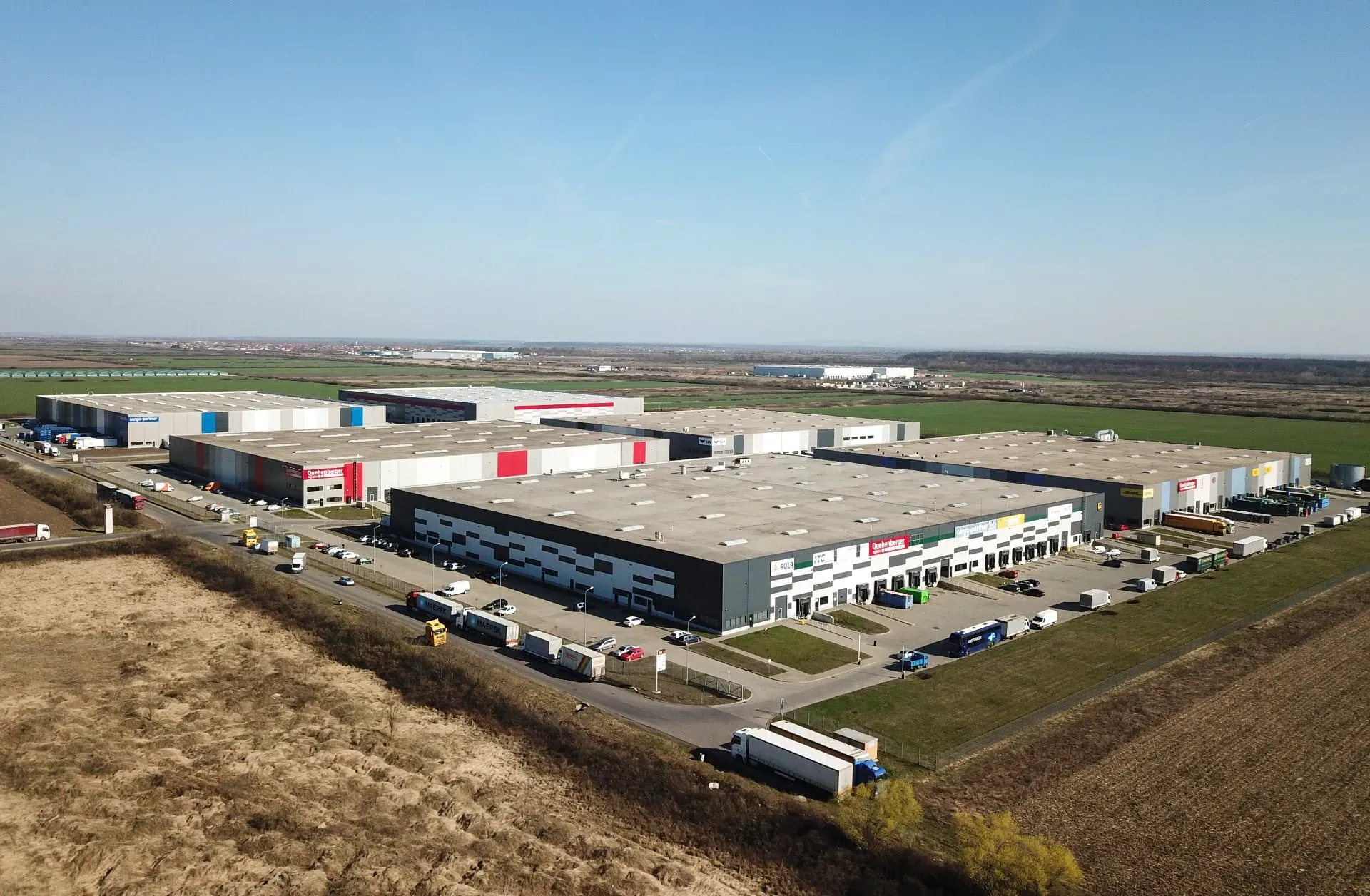
Timișoara’s industrial profile differs from that of other major Romanian markets due to the significant role played by manufacturing.
Read more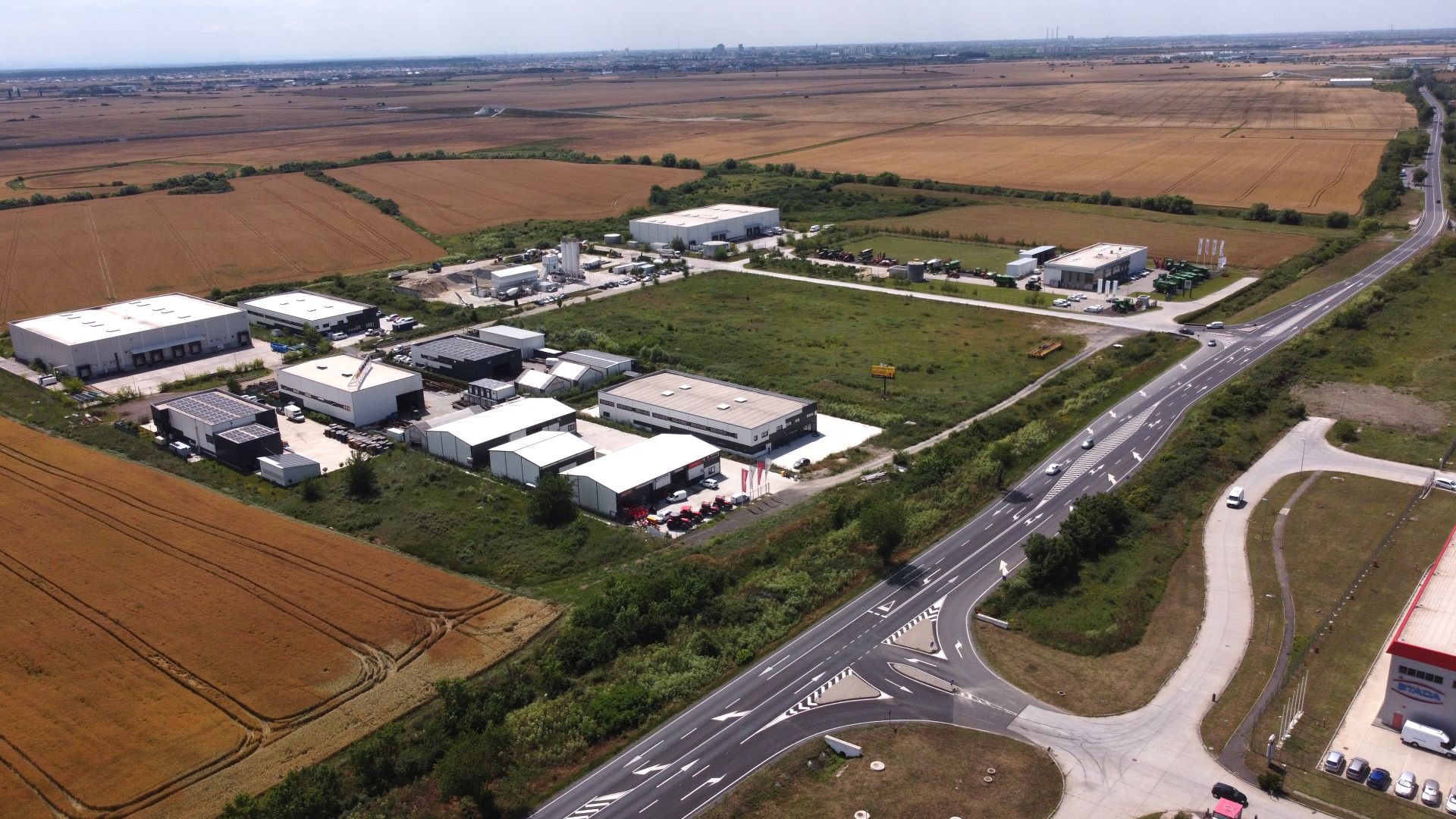
The pandemic, logistics disruptions, rising energy costs, and geopolitical tensions have shown how vulnerable a business can become when it depends on a supply chain that is too long or too rigid.
Read more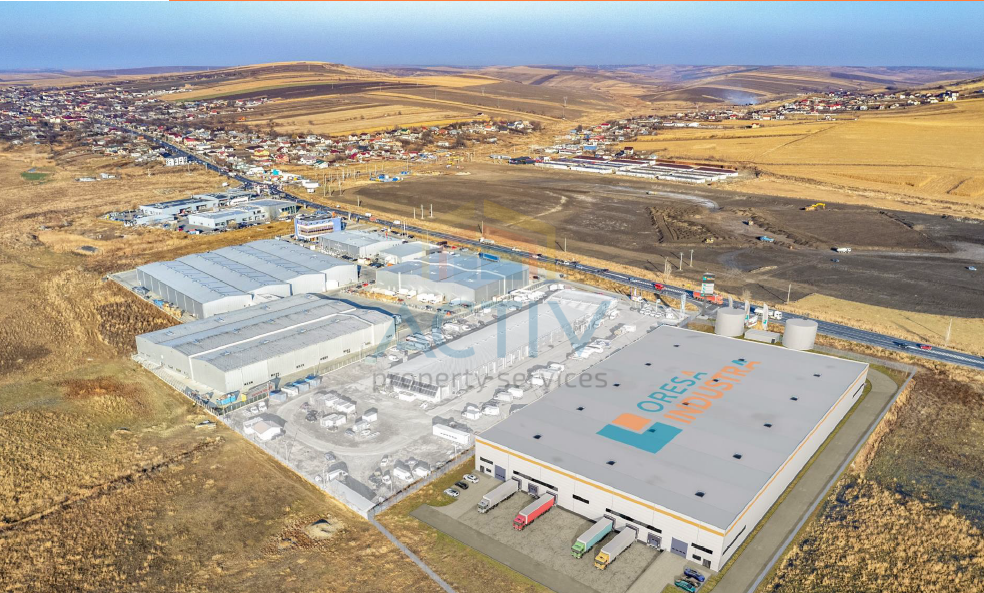
Iași is primarily known as a university, medical and IT hub, but its economic position is becoming increasingly relevant for companies considering the development of logistics, distribution or production operations in eastern Romania.
Read more