

Industrial Timișoara: How to Choose the Right Production Space Beyond Motorway Access
17.09.2026Timișoara and its metropolitan area represent one of Romania’s most developed industrial regions. Automotive, component manufacturing, electronics, logistics and industry-related services have created an ecosystem in which choosing an industrial property is no longer based only on floor area, rent or distance to the motorway.
For a company looking for production space for rent in Timișoara, the decision should take into account several factors: infrastructure access, available utilities, proximity to suppliers, workforce accessibility, connections to border crossings and future expansion potential.
In 2026, this approach is becoming even more relevant as regional infrastructure continues to develop. The DN69–A1 connection, opened to traffic in 2025, improves access between the Timișoara–Arad area and the motorway network, while future infrastructure projects towards the southern part of the county may influence the development of new industrial areas.
Timișoara International Airport also complements the region’s connectivity through passenger and cargo transport services.
Why is Timișoara an important manufacturing market?
Timișoara’s industrial profile differs from that of other major Romanian markets due to the significant role played by manufacturing.
A logistics company may prioritise loading docks, truck manoeuvring areas, clear height and fast motorway access. For a manufacturer, however, the requirements are often considerably more complex.
A production facility must be able to support the company’s actual industrial process. Some of the main factors that should be assessed include:
- available electrical capacity;
- the possibility of increasing power supply;
- gas and water connections;
- floor load capacity for machinery;
- ventilation and air extraction systems;
- industrial wastewater discharge;
- clear height;
- building configuration;
- production and storage areas;
- staff facilities and office space.
For this reason, an available warehouse is not automatically a suitable production facility.
When a company is looking for production space for rent in Timișoara, the technical assessment should begin at the earliest stage of the search.
For example, if a production process requires high electrical capacity, a modern building in a good location cannot compensate for insufficient power availability. The cost and timeframe required for any upgrade should be evaluated before signing a lease.
How important is access to the A1 motorway for an industrial property in Timișoara?
Access to Western Europe remains one of Timișoara’s main logistics advantages.
Its location close to Hungary and Serbia, together with access to the A1 motorway, is particularly relevant for companies importing raw materials or components and for manufacturers exporting finished products to European markets.
However, distance to the motorway should not be analysed separately from the local route.
A warehouse for rent in Timișoara may be located only a few kilometres from the A1, but the actual journey can still involve congested roads, restrictions for heavy vehicles or less efficient local connections.
For this reason, real travel time to the motorway junction is more relevant than the straight-line distance shown on a map.
The DN69–A1 connection is important because it improves accessibility between the Timișoara–Arad area and the main high-speed road network. At the same time, future infrastructure developments may gradually change the attractiveness of different industrial submarkets around the city.
How does nearshoring influence demand for production space?
In recent years, many European companies have placed greater emphasis on supply chain resilience and proximity to their main consumer markets.
This trend, known as nearshoring, involves relocating or developing production capacity closer to key markets.
For Romania, and particularly for the western region of the country, this shift can create new industrial opportunities.
Timișoara benefits from an already established industrial ecosystem. A company considering a new manufacturing unit can find suppliers, subcontractors, technical specialists, logistics providers and employees with experience in industrial operations.
However, companies choosing a new location often compare several cities and even several countries.
In this context, the decision is not driven only by rent or warehouse availability. Companies also analyse:
- how quickly the property can become operational;
- what additional investments are required;
- whether the space can be customised;
- whether utilities can support the operation;
- how easily employees can be recruited;
- whether future expansion is possible.
For industrial property owners, the product being offered is no longer simply “space for rent”, but infrastructure capable of supporting a real industrial operation.
Why is workforce accessibility important when choosing production space?
Workforce availability is one of the key criteria for industrial companies operating in Timișoara.
The region benefits from skilled employees and decades of industrial experience. At the same time, the area’s economic development also creates greater competition for certain categories of workers.
This means that property location should also be analysed from the employees’ perspective.
A warehouse may be very well positioned for freight transport but less efficient if employees find it difficult to reach the site.
Companies should therefore assess:
- the areas and towns from which employees can be recruited;
- access to public transport;
- commuting times;
- the possibility of organising staff transport;
- associated transportation costs;
- accessibility for shift-based operations.
For manufacturing activities operating in two or three shifts, these factors can directly influence costs and operational stability.
What facilities should a modern production space provide?
In a modern industrial property, staff and ancillary areas are no longer secondary features.
Changing rooms, canteens, sanitary facilities, administrative areas and offices all contribute to the daily operation of the company and to the employee experience.
For companies competing for skilled workers, the quality of the working environment can influence both recruitment and employee retention.
As a result, companies should assess not only the production area itself, but also the infrastructure required by the teams working at the site.
Why is expansion potential important?
For a manufacturing company, relocation is significantly more complex than moving inventory from one warehouse to another.
Machinery needs to be dismantled, transported, installed, tested and authorised, while production downtime must be kept to a minimum.
For this reason, the possibility of expanding within the same location can have significant strategic value.
A company expecting future growth should determine from the beginning whether:
- additional space is available;
- the site allows future development;
- the landlord can build an extension;
- adjacent units may become available;
- the utilities can support increased capacity.
A property that can support the company’s next stage of growth may reduce the risks and costs associated with a future relocation.
Is rent the most important factor when choosing a warehouse in Timișoara?
No. Rent should be analysed together with all the costs required to operate the facility.
A property with a lower rent may generate additional costs if it requires major investments in utilities, technical adaptations, employee transportation or longer logistics routes.
For this reason, companies should focus on the total cost of occupancy and operation, rather than only on the monthly rent per square metre.
For manufacturing companies, this calculation may include:
- rent;
- utility costs;
- fit-out and adaptation works;
- freight transportation;
- employee transportation;
- maintenance;
- energy costs;
- investments required before operations can begin.
How do you choose the right production space in Timișoara?
The selection process should begin with the company’s operational requirements, not with the list of available properties.
Before visiting warehouses, a company should define the required floor area, production flow, electrical capacity, utilities, number of employees, truck access, office requirements and future expansion plans.
Only then can the relevant properties be compared effectively.
For companies looking for production space or a warehouse for rent in Timișoara, the main question should not simply be:
“What warehouses are currently available?”
but rather:
“Which property can efficiently support our operation?”
Access to the A1 motorway, regional infrastructure, utilities, workforce availability, technical configuration and expansion potential should all be assessed together.
How can Activ Property Services help?
Activ Property Services provides consultancy services for companies looking for industrial properties in Timișoara and western Romania.
APS has had a regional office in Timișoara since 2000, and the property selection process starts with the company’s actual requirements: floor area, type of activity, technical specifications, infrastructure, utilities, workforce accessibility, budget and future development plans.
The objective is not to identify the largest possible number of available warehouses, but to select properties that can support both the company’s current operation and its future growth.
Frequently Asked Questions About Industrial Space in Timișoara
What should be checked before renting production space in Timișoara?
Companies should assess electrical capacity, utilities, floor load, warehouse configuration, truck access, road infrastructure, workforce accessibility and future expansion potential.
Is it important for a warehouse to be close to the A1 motorway?
Yes, particularly for companies with freight flows towards western Romania and Central Europe. However, actual travel time to the motorway junction and the quality of local access are more relevant than distance alone.
What is the difference between a warehouse and production space?
A warehouse is generally assessed mainly from the perspective of storage and freight movement. Production space must meet additional requirements related to energy, utilities, flooring, ventilation, equipment and operational workflows.
Why does workforce accessibility matter when choosing an industrial property?
Because location can influence recruitment, employee retention, staff transportation and operational costs, especially for companies operating in shifts.
Is rent more important than the technical specifications of the building?
Both should be analysed together. A lower rent may be less attractive if the property requires significant investment before it can support the company’s activity.
Why should expansion potential be considered?
For a manufacturing company, relocating machinery and production lines can be complex and costly. The possibility of expanding within the same location can support growth without major operational disruption.
Latest posts
New road infrastructure can change the attractiveness of industrial areas by reducing transit times and improving connections between Romania’s main motorways.
Read more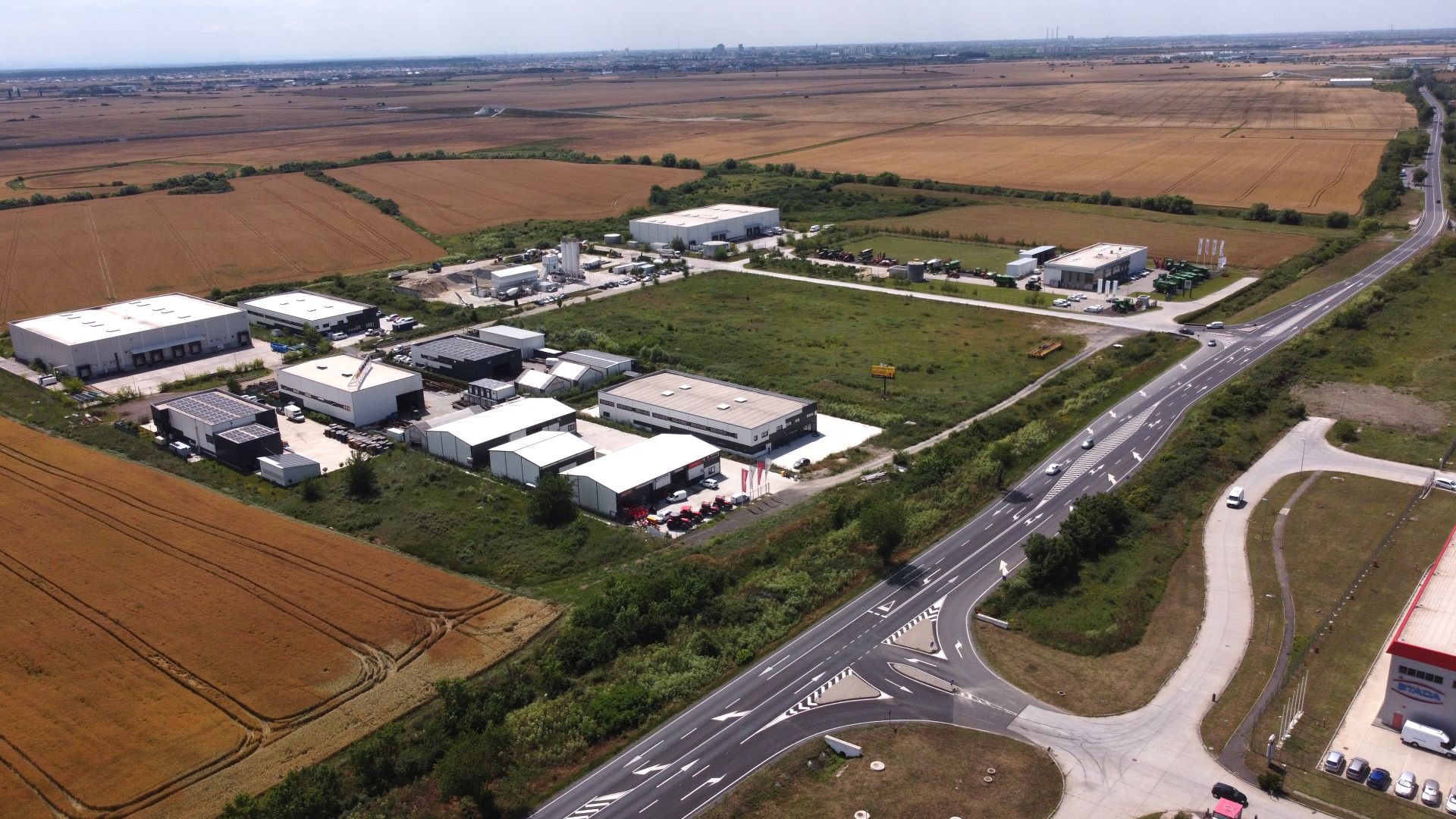
The pandemic, logistics disruptions, rising energy costs, and geopolitical tensions have shown how vulnerable a business can become when it depends on a supply chain that is too long or too rigid.
Read more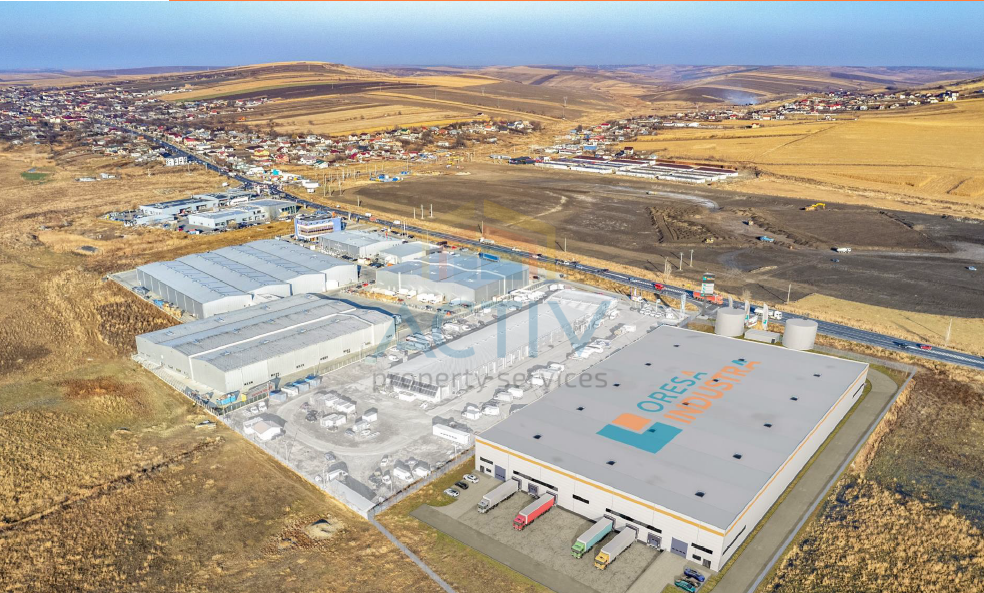
Iași is primarily known as a university, medical and IT hub, but its economic position is becoming increasingly relevant for companies considering the development of logistics, distribution or production operations in eastern Romania.
Read more