

Why a Warehouse for Rent Can Become Too Small Without an Increase in Inventory
23.11.2026In logistics, the need for space does not always increase alongside the volume of goods stored. A company may maintain approximately the same inventory levels and still find that its daily operations are becoming increasingly difficult. Pallets occupy the same storage racks, yet aisles become congested, orders are delayed and the dispatch area struggles to keep up. The explanation lies in an essential distinction: storage capacity is not the same as processing capacity.
When considering a warehouse for rent, companies often focus on total floor area, clear height and the number of pallet positions. These criteria are important, but they do not reveal how many operations the building can support during a busy working day. Understanding when a warehouse becomes insufficient requires examining the entire movement of goods, from receiving to dispatch.
The Same Inventory, but More Than Twice as Many Orders
Consider a hypothetical distributor operating a 3,000 m² warehouse while maintaining relatively stable inventory levels. Initially, its team processes approximately 500 orders per day, most of them consolidated deliveries to retail stores. Later, the company begins serving more individual customers, and daily order volumes increase to 1,200 without a significant rise in the quantity of goods stored.
Although the storage racks are no fuller, employees must make more picking trips, prepare more parcels and handle a greater number of labels and documents. Sorting and packing areas are used more intensively, while goods awaiting dispatch accumulate before outbound vehicles depart. This hypothetical example illustrates a realistic operational challenge: pressure on warehouse capacity can increase because of the frequency of activities rather than the volume of stored inventory.
When Product Diversification Reduces Warehouse Efficiency
Another factor is the growing number of distinct products, commonly referred to in logistics as stock keeping units, or SKUs. Two companies may store the same number of pallets, but the one managing more product references may require additional picking locations, more separation rules and tighter inventory control.
For example, moving from a few hundred fast-moving products to several thousand items with varying demand can significantly change how space is used. Some storage locations remain partially occupied, products must be repositioned more frequently and picking routes become longer. Simply adding more racks may not resolve the problem, because any reconfiguration must also account for accessibility, safety and order preparation speed.
Receiving, Returns and Dispatch Areas Become Critical
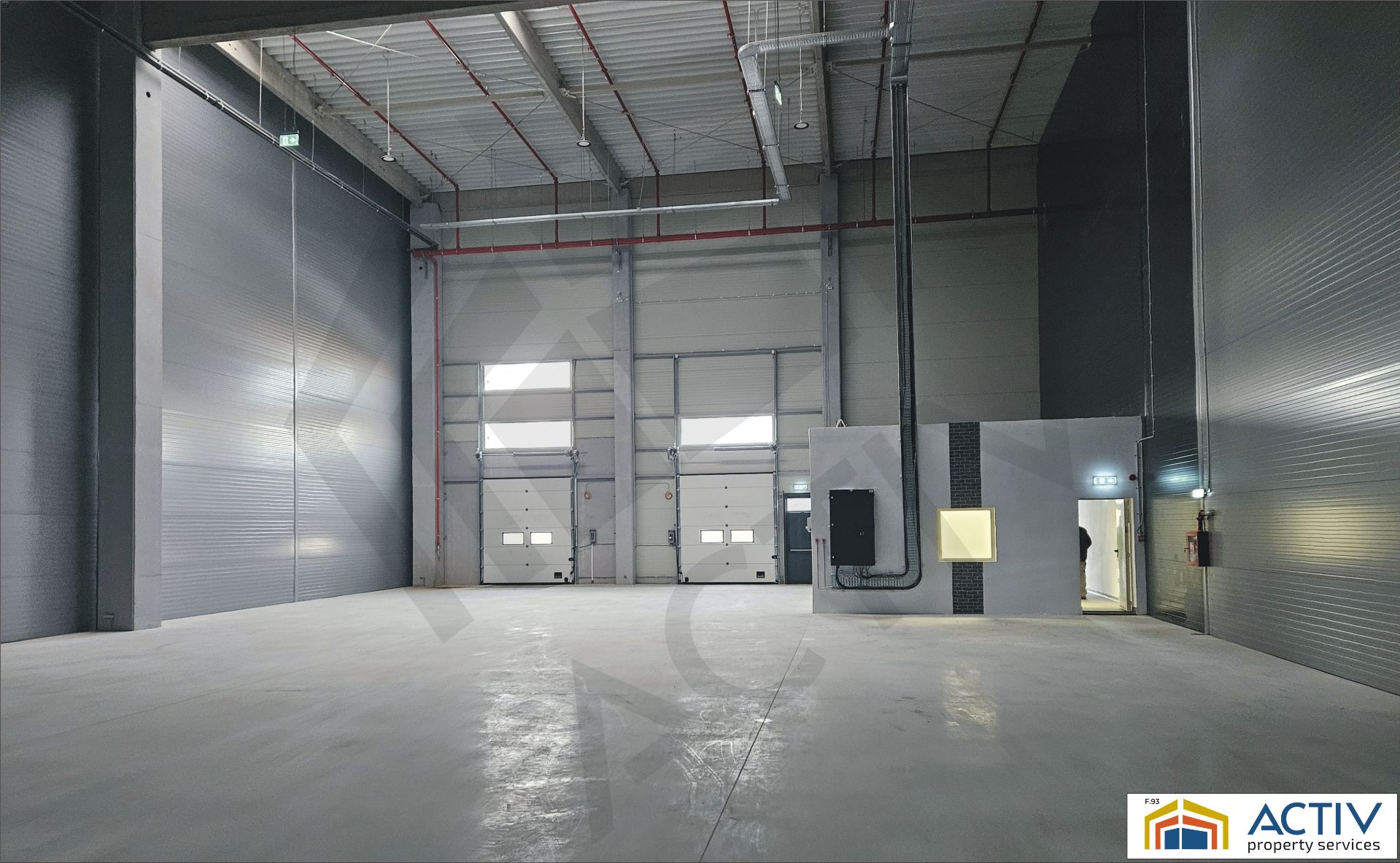
Storage space represents only one part of a warehouse. Goods receiving, quality inspection, packing, returns processing and dispatch all require dedicated functional areas sized according to actual operational flows. When these activities compete for the same floor space, bottlenecks can develop even if storage racks still have available capacity.
Returns are particularly relevant in direct-to-consumer distribution. Returned products must be received, inspected, classified and, where appropriate, returned to inventory, repaired or directed into other processing streams. Without a dedicated area, they may temporarily occupy aisles or order preparation zones, reducing productivity and increasing the risk of errors.
Loading Docks and Internal Traffic Can Limit Capacity Before Storage Does
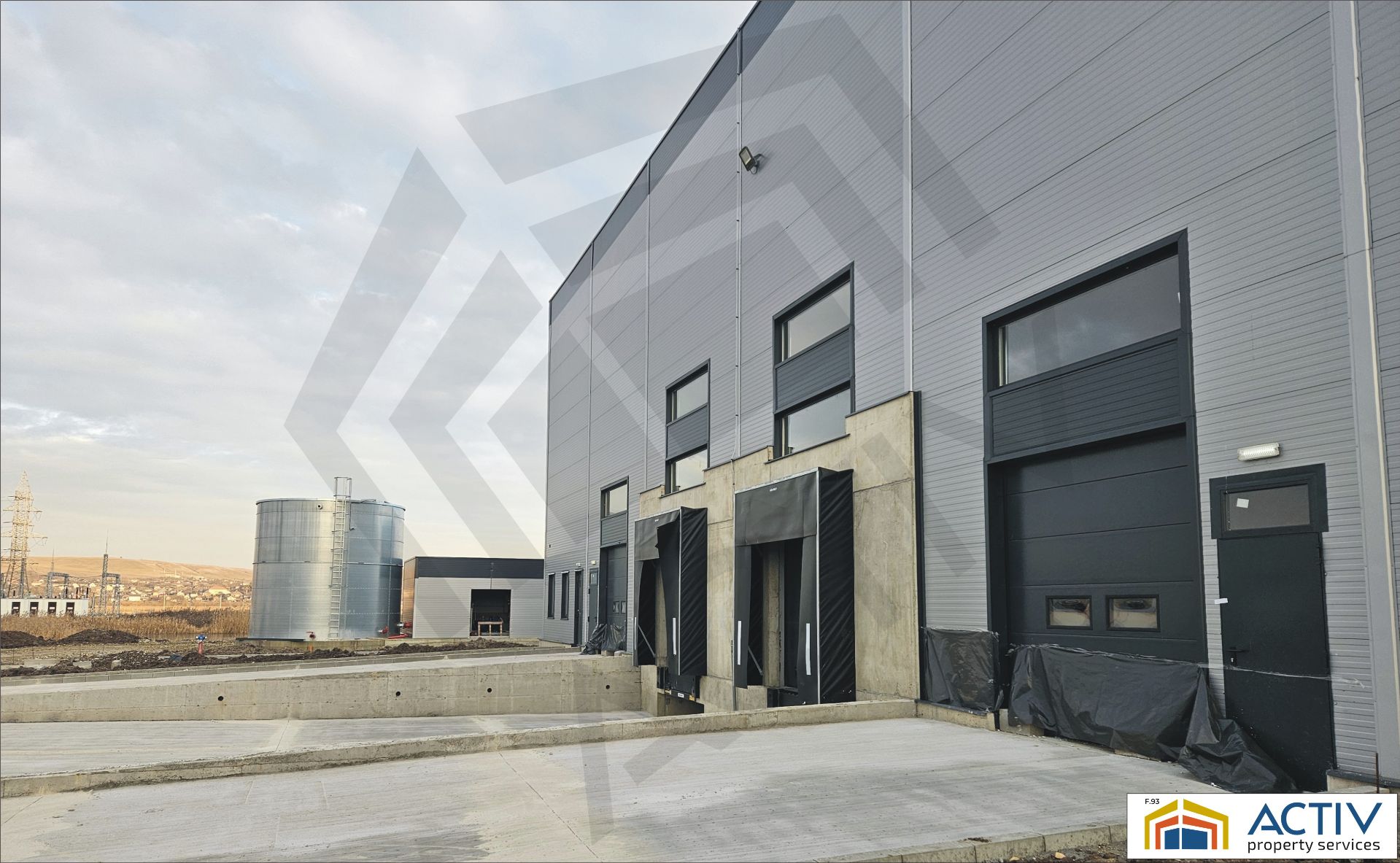
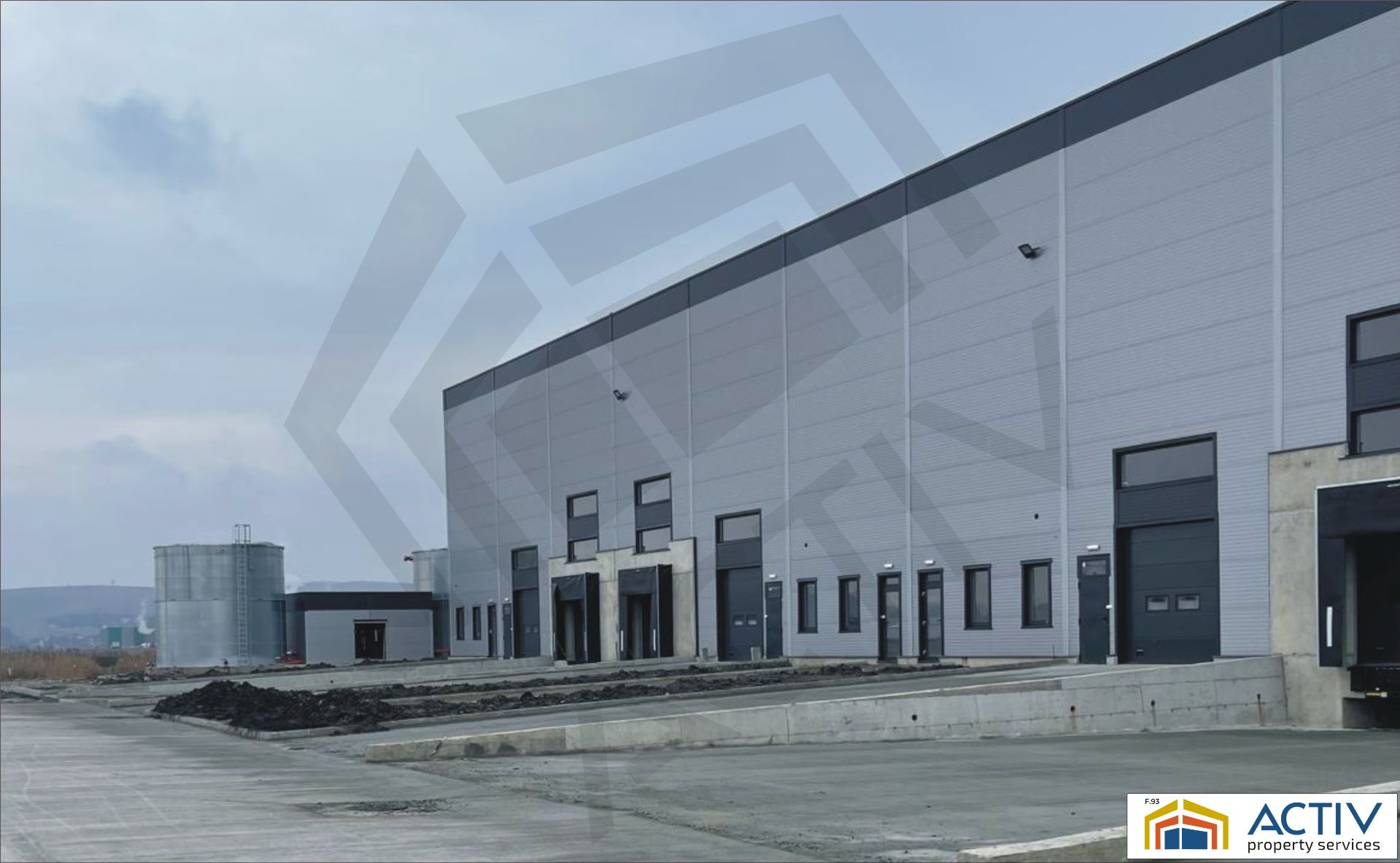
A warehouse may offer sufficient storage capacity but too few loading docks to handle the required transport frequency. When several trucks need to be loaded within the same time window, waiting times increase and goods prepared for delivery remain in the dispatch area for longer. The situation may be made worse by insufficient vehicle manoeuvring space, intersecting pedestrian and equipment routes, or internal circulation paths that are too narrow.
For this reason, a warehouse space rental decision should include an operational assessment of dock numbers and configuration, vehicle manoeuvring areas, internal traffic arrangements and actual transport schedules. A large floor area does not automatically compensate for infrastructure that cannot support the required number of inbound and outbound movements.
Reorganization or Relocation: Identifying the Right Solution
The first step should not necessarily be an immediate search for a larger facility, but rather an assessment of existing bottlenecks. Indicators such as orders processed per hour, average picking time, loading dock utilization, goods dwell time and error frequency can reveal where operational capacity is being lost.
In some cases, the solution may involve redesigning work areas, optimizing product locations, separating traffic flows or adjusting receiving and dispatch schedules. In other situations, physical limitations such as dock numbers, building geometry or limited expansion options may make relocation necessary. Choosing a new warehouse for rent should then be based on current operational requirements and realistic growth scenarios, rather than simply obtaining additional square meters.
What Companies Should Assess Before Making a Property Decision
An effective warehouse space rental strategy begins by determining the level of activity the property must support, rather than focusing exclusively on how much inventory it needs to accommodate. Retail distribution, e-commerce fulfillment and the handling of bulky goods can have very different operational requirements, even when they occupy comparable floor areas.
Before signing a lease, companies should align their logistics data with the building's characteristics, including effectively usable space, work area configuration, loading docks, vehicle access, automation potential and future expansion opportunities. A consultant specializing in industrial properties can help translate these operational requirements into clear criteria for selecting the most suitable facility.
Ultimately, a warehouse for rent can become too small without an increase in inventory because the real limitation may be its ability to receive, handle and dispatch goods on time. A well-informed property decision considers not only how much a building can accommodate, but also how efficiently operations can function within it.
Latest posts
Discover when warehouse height becomes essential and how requirements differ across four types of industrial operations.
Read more
Discover when warehouse height becomes essential and how requirements differ across four types of industrial operations.
Read more
Timișoara’s industrial profile differs from that of other major Romanian markets due to the significant role played by manufacturing.
Read more
New road infrastructure can change the attractiveness of industrial areas by reducing transit times and improving connections between Romania’s main motorways.
Read more